Couple in Their 50s With $2M in Retirement Accounts Ask: Do We Need a Will?
A childless couple in their 50s with $2 million in IRAs and 401(k)s questions whether estate planning is necessary. Experts weigh in.
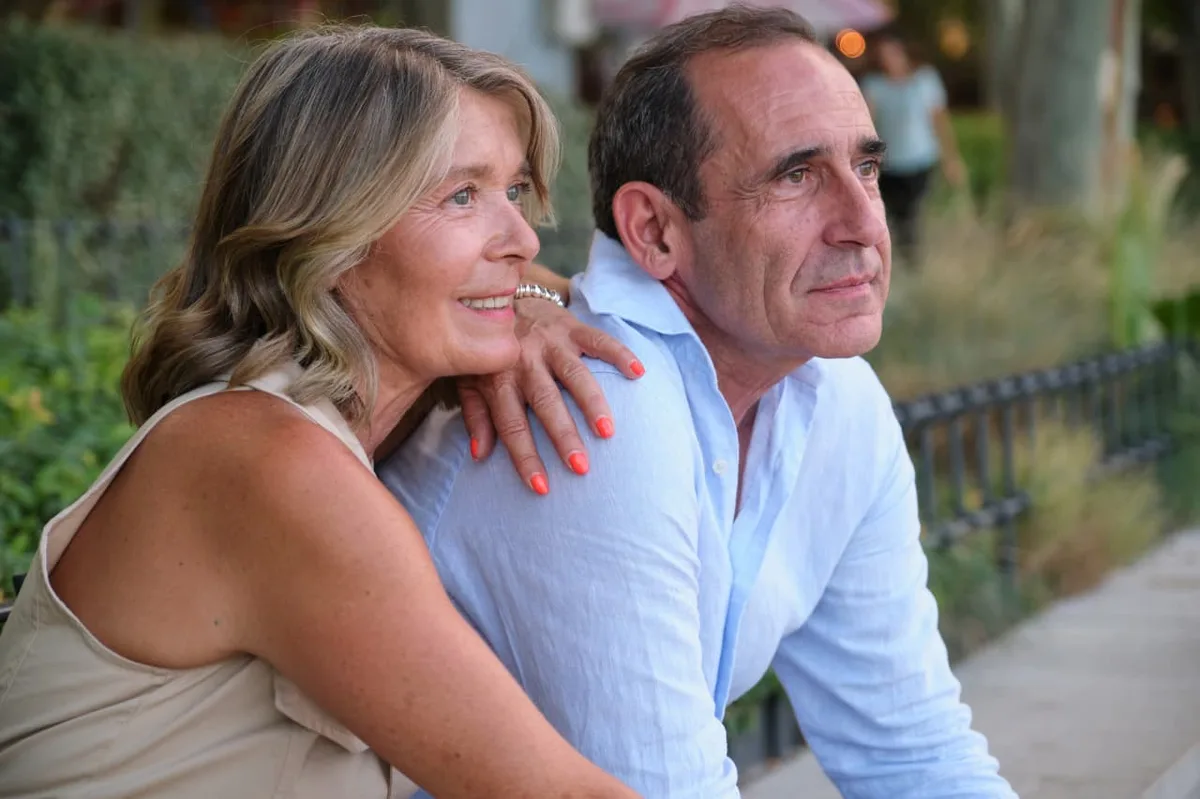
A married couple in their 50s with no children, no debt, and $2 million saved across IRAs and 401(k) accounts is asking a question that many affluent Americans in similar circumstances overlook: Is a will truly necessary when finances appear well-organized?
The couple's situation is more complex than it might seem on the surface. Beyond their retirement savings, they own three properties — a primary residence, a vacation home, and a home in another state that belongs to the wife's mother. That out-of-state property alone introduces significant legal considerations, since real estate held across multiple states can trigger separate probate proceedings in each jurisdiction, a costly and time-consuming process that a proper estate plan is specifically designed to avoid.
Read more Working Abroad Early in Your Career Can Boost Retirement Savings →
Financial and legal advisers broadly agree that the absence of children does not reduce the need for estate planning — in some ways, it increases it. Without direct heirs, decisions about who inherits assets, who holds power of attorney, and who makes medical decisions in an emergency become even more critical and less obvious. Retirement accounts like IRAs and 401(k)s do pass via beneficiary designations rather than a will, but those designations must be kept current and coordinated with a broader estate strategy to avoid unintended outcomes.
The multi-state real estate dimension adds another layer of urgency. A will, or ideally a revocable living trust, can help consolidate how property in different states is handled, potentially sparing heirs or surviving spouses from navigating multiple probate courts. For couples without children, naming contingent beneficiaries — whether siblings, nieces, nephews, charities, or others — requires deliberate documentation that only formal estate planning provides.
For couples in their 50s with significant assets and no linear heirs, estate planning professionals consistently recommend not waiting. Wills, trusts, healthcare directives, and durable powers of attorney together form the foundation of a plan that protects both spouses and ensures their intentions are legally enforceable. Continue reading at MarketWatch.com